
Korea’s cafe culture goes far beyond the franchise giants ⓒ Unsplash
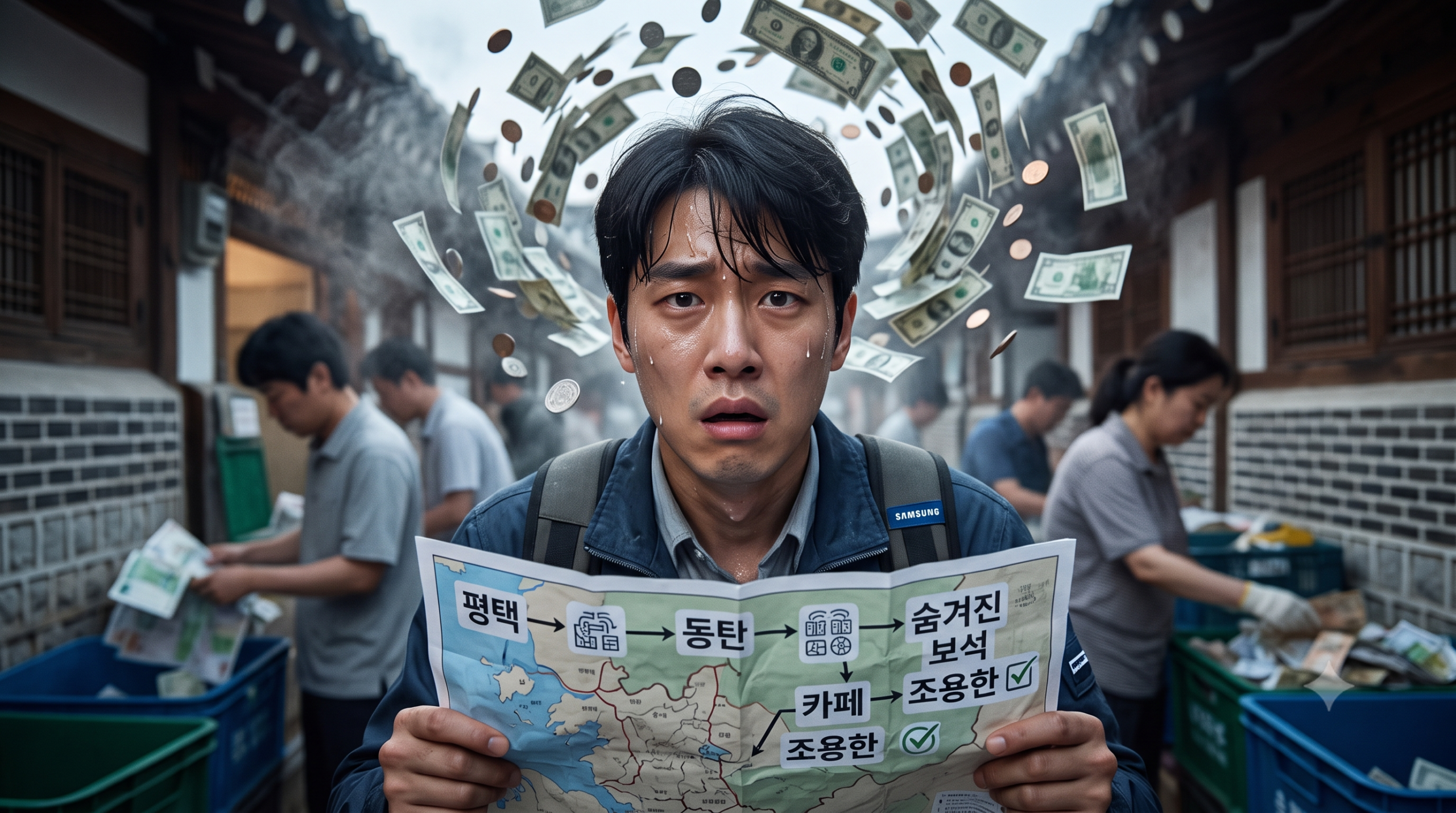
If you’ve been living in Pyeongtaek or Dongtan for a while — whether you’re stationed at Camp Humphreys, working at a nearby tech company, or simply exploring life as an expat in Gyeonggi Province — you already know that finding a genuinely quiet spot to sit, think, and breathe can be surprisingly tricky. The big franchise chains (and yes, there are a lot of them) are convenient, but the noise levels and the constant stream of customers make it hard to actually decompress.
The good news? Both Pyeongtaek and Dongtan have a quietly growing scene of independent cafes that are worth hunting down. These spots aren’t always the most Instagrammed, but they have something better: actual atmosphere, comfortable seating, and the kind of calm that lets you actually focus. Here’s what to look for — and how to find them.
1. What Makes a Good “Quiet Cafe” in Korea?
Before getting into specific types and locations, it’s worth understanding what sets a genuinely calm Korean cafe apart from the typical busy chain outlet.
| Feature | Franchise Chains | Local Independent Cafes |
|---|---|---|
| Noise Level | High — frequent orders, background music at volume | Low — often ambient music or none at all |
| Seating Style | Fixed layouts, close together | Varied — sofas, window seats, outdoor garden |
| Average Stay Allowed | Implicitly shorter | Longer stays generally welcomed |
| WiFi Quality | Usually solid | Varies — always ask or check before settling in |
| English Menu | Almost always available | Varies — Google Translate camera mode is your friend |
Korean cafe culture has a strong concept of “자리 맡기” (jari matgi) — reserving your seat by leaving a personal item (a bag, jacket, or notebook) at a table before ordering. This is completely normal and widely accepted. Don’t feel awkward doing it — everyone does it.
2. The Pyeongtaek Area: What to Look For
Pyeongtaek is a city in transition — rapidly developing around the Camp Humphreys expansion, with new commercial areas sprouting up alongside older, quieter neighborhoods. This contrast is actually great for cafe hunters.
☕ Type 1: The Book Cafe Style (책방 카페)
Pyeongtaek has a small but real independent bookstore-cafe culture, particularly around the older downtown areas and near Pyeongtaek University. These spots combine shelves of books (mostly Korean, but that’s part of the experience) with well-made coffee and genuinely unhurried seating.
What to expect: Warm lighting, wooden furniture, soft background music, and a clientele that’s there to stay a while. Orders are usually just coffee or tea — don’t come expecting a full meal menu.
Best visiting time: Weekday afternoons after 2pm. Weekends can get busier mid-morning.
☕ Type 2: The Garden/Courtyard Cafe
On the outskirts of Pyeongtaek and in semi-rural pockets toward Asan, you’ll find cafes built around outdoor garden spaces — often converted houses or small commercial buildings with landscaped courtyards. These are perfect for a slow weekend morning.
What to expect: Outdoor seating with plants and natural light, slightly longer drive from the Camp Humphreys gate, but absolutely worth it for the calm.
Parking tip: These typically have dedicated free parking lots. Check Kakao Maps (카카오맵) — searching “감성카페 평택” will surface these types of spaces.
3. The Dongtan Area: More Urban, Still Findable
Dongtan (officially part of Hwaseong City) is newer, more planned, and busier than Pyeongtaek — but its newness means the cafe scene has developed with intentionality. You’ll find a good mix of minimalist design cafes and larger “cafe complexes” that, despite their size, maintain lower noise levels by design.
☕ Type 3: The Minimalist Specialty Coffee Cafe
Dongtan’s newer residential areas — particularly around Dongtan 2 — have seen a wave of specialty coffee shops open in the last few years. These places are serious about their beans, quieter by culture, and often have separate seating zones designed for focused work or reading.
What to expect: Pour-over or espresso bar focus, sparse interior design, minimal small talk from baristas (which can feel refreshing when you want to be left alone), and often excellent natural light.
English communication tip: Pointing at the menu works fine. Most staff understand basic coffee vocabulary in English. Smile, and you’ll get far.
4. Practical Tips for Expats and First-Timers
🗺️ Use Naver Maps or Kakao Maps — Search “조용한 카페 평택” (quiet cafe Pyeongtaek) or “감성카페 동탄” (vibe cafe Dongtan). These Korean search terms surface local spots that don’t appear on Google Maps Korea.
⭐ Check reviews with photos — Naver reviews with interior photos give you the best sense of noise level and seating type before you go.
🚗 Driving and Parking — Most suburban Korean cafes have free parking. Look for “주차가능” (parking available) in the Naver Map listing. If you’re driving from Camp Humphreys, Pyeongtaek’s outer neighborhoods are easier for parking than the downtown core.
🚌 Public Transit — From Pyeongtaek Station (KTX accessible), local buses connect to most commercial cafe areas. The 152 and 82 bus lines are good starting points toward the newer cafe district areas.
💳 Payment — Cash is rarely needed. Every cafe accepts Korean credit/debit cards. International Visa/Mastercard generally work, but having a Korean T-money card or Kakao Pay set up makes life easier.
5. Korean Cafe Culture Decoded
A few things that might feel unusual if you’re new to Korea’s cafe scene:
✔ No tipping — Tipping is not part of Korean cafe culture. Don’t tip; it can actually feel awkward for staff.
✔ No rush to leave — Unlike some countries where table turnover is expected, Korean cafes are generally fine with you staying for hours on a single order. Some popular spots during peak weekend hours may have a posted time limit — just check the door.
✔ Self-service bussing — In most cafes, you’re expected to take your own tray back to the designated return area when you leave. Look for the “반납구” sign.
✔ Phone charging — Many Korean cafes have accessible power outlets near seating areas, but they’re not guaranteed. Bring a power bank if you’re working.
6. Beyond the Cafe: Making the Most of Pyeongtaek and Dongtan
Once you’ve found your go-to quiet cafe, the surrounding area has more to offer than most newcomers realize. Pyeongtaek’s waterfront near Pal-tan Lake offers a great post-coffee walk. Dongtan’s large central park (Dongtan Central Park) is one of the best urban green spaces in Gyeonggi Province and worth exploring on a clear afternoon.
The expat and military community in Pyeongtaek has also quietly built a network of English-language resources, community groups, and regular meetup events — often shared through Facebook groups and the Camp Humphreys community boards — that can make finding your next favorite local spot much easier.
Frequently Asked Questions
Q. Do cafes in Pyeongtaek near Camp Humphreys have English menus?
Cafes in the areas closest to the base (Anjeon-ri strip, Paengseong area) almost always have English menus or English-speaking staff. As you move further into the local neighborhoods, English availability decreases — but photo menus and Google Translate make ordering straightforward.
Q. Is it rude to work on a laptop in a Korean cafe?
Not at all. Laptop use is extremely common in Korean cafes — it’s one of the reasons the culture of staying long is so normalized. Just be mindful during peak hours at smaller spots.
Q. What’s the best time to visit to avoid crowds?
Weekday mornings (10am–12pm) and weekday afternoons (2pm–5pm) are consistently the quietest windows. Weekend mornings before 11am are also manageable. Avoid Saturday and Sunday afternoons at popular spots.
Q. Are there any 24-hour cafes in the area?
Some franchise locations (particularly CU convenience store cafes and a few Ediya branches) operate 24 hours. True independent cafes rarely do — most close between 9pm and 11pm.
Want specific cafe names and reviews instead of cafe types? See our full list of 6 named cafes in the area.